





• +91- 9313944414
  • What to Know Before Choosing Arthroscopic Treatment for Joint Pain

    arthroscopy

    Joint pain can affect mobility, work, exercise, and everyday comfort. When rest, medications, physiotherapy, and other conservative treatments do not provide sufficient relief, doctors may recommend further evaluation and, in selected cases, arthroscopic treatment. If you are looking for the Best Joint Replacement Surgeon in Ahmedabad, understanding the available treatment options and when arthroscopy may be appropriate can help you make a more informed decision.

    What Is Arthroscopic Treatment?

    Arthroscopy is a minimally invasive procedure used to examine, diagnose, and treat certain problems inside a joint. During the procedure, the surgeon uses a small camera called an arthroscope, which is inserted through a small incision. Additional small instruments may be used to perform the required treatment.

    Arthroscopy is commonly used for joints such as the knee, shoulder, ankle, and wrist. It may help diagnose or treat conditions involving damaged cartilage, ligaments, tendons, or other structures within the joint.

    However, arthroscopy is not the right treatment for every type of joint pain. The underlying cause of the problem must be identified before deciding whether the procedure is suitable.

    Understand the Cause of Your Joint Pain

    Joint pain can occur for many reasons, including:

    • Ligament injuries
    • Meniscus tears
    • Cartilage damage
    • Sports injuries
    • Joint inflammation
    • Certain mechanical joint problems
    • Arthritis-related changes

    Before choosing arthroscopic treatment, your doctor may perform a physical examination and recommend tests such as X-rays or MRI scans. These evaluations help identify the source of pain and determine whether arthroscopy could be beneficial.

    A clear diagnosis is essential because treating the symptoms without understanding the underlying problem may not provide the desired long-term results.

    Know When Arthroscopy May Be Recommended

    Arthroscopy may be considered when a patient has a specific joint problem that can be evaluated or treated through this technique. For example, certain tears, loose fragments, or mechanical issues within a joint may be suitable for arthroscopic management.

    The decision depends on several factors, including:

    • The type and location of the joint problem
    • Severity of symptoms
    • Previous treatments
    • Age and activity level
    • Overall joint health
    • Expected benefits and possible risks

    Your surgeon should explain why arthroscopy is being recommended and whether non-surgical options are still appropriate.

    Ask About Non-Surgical Treatment Options First

    Surgery is not always the first step in managing joint pain. Depending on the condition, treatment may initially include physiotherapy, activity modification, medications, weight management, or injections.

    Before choosing arthroscopy, ask whether these options have been adequately considered. In some cases, conservative treatment may provide sufficient relief without surgery.

    If surgery is recommended, understanding why it is necessary and what specific problem it is expected to address can help you make a confident decision.

    Learn About the Expected Benefits

    Arthroscopic procedures generally use smaller incisions than traditional open surgery. Depending on the condition and procedure, potential benefits may include less disruption to surrounding tissues and a shorter recovery period.

    However, results vary from person to person. The expected benefit depends greatly on the condition being treated, the extent of joint damage, and the patient’s commitment to rehabilitation.

    It is important to ask what improvements you can realistically expect in terms of pain, mobility, and daily function.

    Understand the Risks and Limitations

    Like any surgical procedure, arthroscopy has potential risks. These may include infection, bleeding, blood clots, swelling, stiffness, or continued symptoms.

    There are also limitations to what arthroscopy can achieve. For example, if a joint has advanced degenerative changes, treating one specific structure may not resolve all symptoms.

    A responsible orthopedic specialist will discuss both the potential benefits and limitations before recommending treatment.

    Consider the Surgeon’s Experience and Approach

    Choosing the right specialist is an important part of your treatment journey. You should look for appropriate qualifications, relevant experience, clear communication, and a treatment approach based on your individual condition.

    Dr. Priyank Gupta focuses on careful evaluation and personalized orthopedic treatment planning. Rather than recommending the same approach for every patient, he considers the cause of joint pain, the extent of damage, lifestyle needs, and treatment goals before discussing suitable options. This helps patients better understand whether arthroscopic treatment or another approach may be appropriate for their condition.

    Know What Recovery May Involve

    Recovery after arthroscopy varies according to the joint treated and the procedure performed. Some patients may return to light activities relatively soon, while others may require a longer rehabilitation period.

    Recovery can involve:

    • Rest and pain management
    • Wound care
    • Gradual return to movement
    • Physiotherapy and strengthening exercises
    • Follow-up consultations

    Following your surgeon’s rehabilitation advice is important for restoring strength, movement, and joint function.

    Ask the Right Questions Before Deciding

    Before scheduling arthroscopic treatment, consider asking:

    1. What is causing my joint pain?
    2. Why is arthroscopy recommended for my condition?
    3. Are there effective non-surgical alternatives?
    4. What will be treated during the procedure?
    5. What results can I realistically expect?
    6. What are the possible risks?
    7. How long will my recovery take?
    8. Will I need physiotherapy after the procedure?

    Clear answers to these questions can help you understand your treatment plan and set realistic expectations.

    Conclusion

    Arthroscopic treatment can be a valuable option for selected joint conditions, but the decision should always be based on an accurate diagnosis and a thorough evaluation. Understanding the cause of your pain, exploring non-surgical treatments, discussing benefits and risks, and knowing what recovery involves are important before moving forward.

    If you are experiencing persistent joint problems and searching for the Best Arthroscopy Doctor in Udaipur, consult an experienced orthopedic specialist who can evaluate your condition and recommend the most appropriate treatment based on your individual needs.

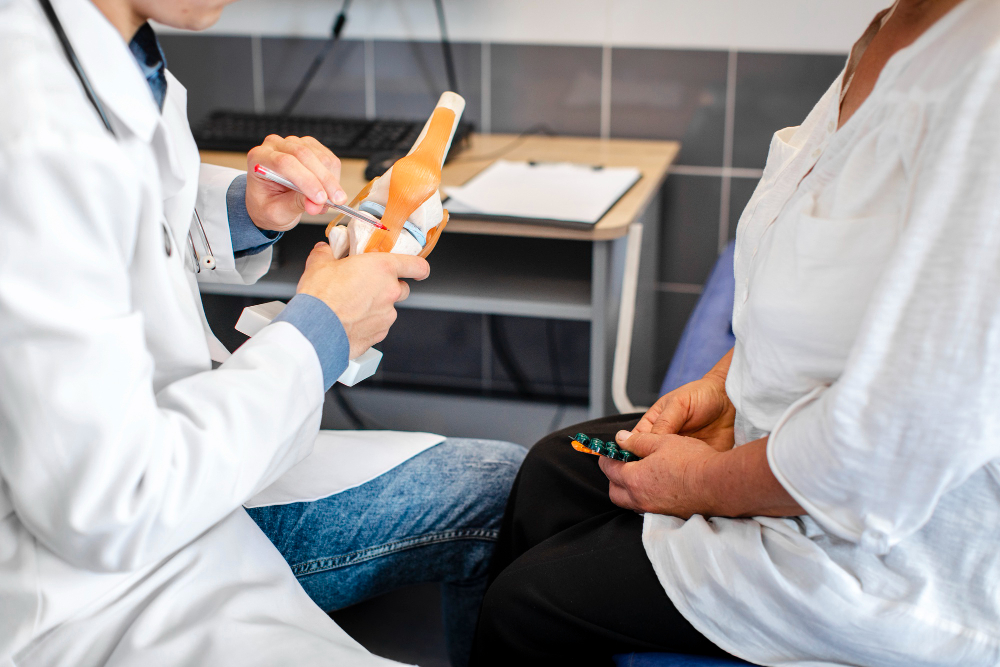
     

    How to Evaluate a Joint Replacement Specialist Beyond Online Reviews

    Joint replacement specialist

    Choosing the right joint replacement specialist is an important decision that can influence your recovery, mobility, and long-term quality of life. While online reviews can provide useful insights, they should not be the only factor you consider. If you are searching for the Best Joint Replacement Surgeon in Ahmedabad, it is important to evaluate the surgeon’s experience, qualifications, treatment approach, surgical expertise, and commitment to patient care before making your decision.

    Why Online Reviews Are Not Enough

    Online reviews can tell you about a patient’s experience with communication, hospital services, waiting times, or overall satisfaction. However, they cannot fully demonstrate a surgeon’s clinical expertise or determine whether that surgeon is suitable for your specific condition.

    Every patient has different medical needs. A surgeon who was appropriate for one patient may not necessarily be the right choice for another. Therefore, online feedback should be treated as one part of your research rather than the final deciding factor.

    1. Check the Surgeon’s Experience

    Experience is one of the most important factors when evaluating a joint replacement specialist. Find out how frequently the surgeon performs procedures such as knee and hip replacements and whether they regularly treat conditions similar to yours.

    You can ask about:

    • Years of experience in orthopedic surgery
    • Experience with joint replacement procedures
    • Types of replacement surgeries performed
    • Experience with complex or revision procedures
    • Approach to managing surgical complications

    A specialist who regularly performs joint replacement surgery may have greater familiarity with different patient conditions and surgical challenges.

    2. Look at Qualifications and Specialization

    A surgeon’s educational qualifications and specialized training can provide valuable information about their expertise.

    When researching a specialist, check whether they have specific training or experience in joint replacement and arthroplasty. Continuing education is also important because orthopedic surgery continues to develop with advances in implants, surgical planning, and rehabilitation.

    3. Understand the Treatment Options Offered

    A good joint replacement specialist should not immediately recommend surgery without considering other possibilities.

    Depending on your condition, treatment may include:

    • Medication
    • Physiotherapy
    • Lifestyle modifications
    • Injections
    • Partial joint replacement
    • Total joint replacement

    The surgeon should explain why a particular treatment is appropriate and discuss both surgical and non-surgical alternatives when applicable.

    4. Evaluate the Consultation

    Your consultation can reveal a lot about how a surgeon approaches patient care.

    Pay attention to whether the specialist:

    • Listens carefully to your symptoms
    • Reviews your medical history
    • Examines your joint thoroughly
    • Explains imaging results clearly
    • Answers your questions
    • Discusses realistic expectations

    A good consultation should leave you with a clear understanding of your condition and available treatment options.

    5. Ask About Surgical Techniques

    Modern joint replacement surgery includes several techniques and technologies designed to improve precision and patient outcomes. Depending on the patient’s condition, surgeons may use advanced planning systems, minimally invasive approaches, or other technology-assisted techniques.

    Ask your surgeon which technique is recommended for you and why. The latest technology is not automatically the best choice for every patient; it should be selected based on individual clinical requirements.

    6. Consider the Complete Care Journey

    Joint replacement does not end when the surgery is completed. Recovery and rehabilitation are important parts of achieving good functional results.

    Ask about:

    • Pain management
    • Hospital stay
    • Physiotherapy
    • Walking and mobility after surgery
    • Follow-up appointments
    • Expected recovery timeline

    Dr. Priyank Gupta focuses on comprehensive orthopedic care, from evaluating the patient’s condition and selecting an appropriate treatment strategy to supporting recovery after joint replacement. His patient-centered approach emphasizes clear communication and individualized treatment planning.

    7. Assess the Hospital and Support Team

    The surgeon is important, but the quality of the hospital and supporting medical team also matters. Ask where the procedure will be performed and whether the facility has appropriate orthopedic, anesthesia, nursing, rehabilitation, and emergency support.

    A coordinated medical team can make the surgical and recovery process more organized and comfortable.

    8. Ask About Risks and Expected Results

    No surgical procedure is completely free of risks. A responsible specialist should explain potential complications as well as expected benefits.

    Ask about:

    • Infection
    • Blood clots
    • Implant-related problems
    • Stiffness
    • Persistent pain
    • Recovery expectations

    You should also understand what activities you can realistically return to after surgery.

    9. Compare Information From Multiple Sources

    Instead of relying on one review platform, consider information from several reliable sources. You can review the surgeon’s qualifications, hospital information, professional background, patient education materials, and consultation experience.

    If possible, getting a second medical opinion can also help you feel more confident about a major surgical decision.

    Choosing the Right Specialist for Your Needs

    The best surgeon for you should be someone whose expertise matches your condition and who communicates clearly about your treatment. Do not choose a specialist solely because of a high number of reviews or ratings.

    Take time to understand the surgeon’s experience, approach to treatment, surgical techniques, rehabilitation process, and patient care philosophy.

    Final Thoughts

    Online reviews can be a helpful starting point, but choosing a joint replacement specialist requires a much broader evaluation. Qualifications, surgical experience, personalized treatment, hospital facilities, communication, and post-operative support should all be considered before making a decision.

    If you are considering knee replacement and looking for the Best Knee Replacement Surgeon in Lucknow, evaluating these factors can help you choose a specialist based on clinical expertise and your individual treatment needs rather than online ratings alone.

    7 Factors That Matter Before Choosing Your Joint Replacement Surgeon

    Joint Replacement Surgeon

    Living with chronic joint pain can affect every aspect of your life, from walking comfortably to enjoying time with family and friends. When non-surgical treatments no longer provide relief, joint replacement surgery may be the best option to restore mobility and improve your quality of life. However, the success of the procedure depends not only on the surgery itself but also on choosing the right orthopedic specialist. If you are searching for the Best Joint Replacement Surgeon in Ahmedabad, understanding the key factors to consider can help you make an informed decision.

    Why Choosing the Right Surgeon Matters

    Joint replacement surgery is a significant medical procedure that requires expertise, precision, and personalized care. An experienced surgeon can accurately diagnose your condition, recommend the most suitable treatment, and guide you through every stage of recovery. Selecting the right specialist can improve surgical outcomes, reduce complications, and help you return to an active lifestyle more quickly.

    1. Experience in Joint Replacement Procedures

    One of the first things to consider is the surgeon’s experience. A specialist who regularly performs knee, hip, and other joint replacement surgeries is more likely to be familiar with different patient conditions and advanced surgical techniques.

    Ask questions such as:

    • How many joint replacement surgeries have you performed?
    • Do you specialize in both knee and hip replacements?
    • What are your patient outcomes?

    Greater experience often translates into better decision-making during surgery and smoother recovery for patients.

    2. Qualifications and Specialized Training

    Orthopedic surgeons undergo extensive education, but additional fellowship training in joint replacement can further enhance their expertise. Look for a surgeon who has specialized training in arthroplasty and stays updated with the latest advancements in orthopedic care.

    This ensures that your treatment is based on current medical practices and evidence-based techniques.

    3. Use of Advanced Surgical Techniques

    Modern joint replacement surgery has evolved significantly over the years. Today, surgeons may use minimally invasive approaches, computer-assisted planning, and advanced implant technologies to improve accuracy and reduce recovery time.

    Choosing a surgeon who incorporates these innovations can offer benefits such as:

    • Smaller incisions
    • Less post-operative pain
    • Reduced blood loss
    • Faster rehabilitation
    • Improved implant positioning

    4. Personalized Treatment Approach

    Every patient has unique health needs. Age, activity level, medical history, and the severity of joint damage all influence the treatment plan.

    Dr. Priyank Gupta believes in a patient-centered approach, carefully evaluating each individual before recommending surgery. By understanding your lifestyle and goals, he creates a personalized treatment plan that supports long-term joint function and overall well-being.

    5. Comprehensive Pre- and Post-Operative Care

    Successful joint replacement extends beyond the operating room. A good surgeon provides complete care before and after surgery.

    This includes:

    • Detailed pre-surgical evaluation
    • Clear explanation of the procedure
    • Pain management planning
    • Physical therapy guidance
    • Regular follow-up appointments

    Comprehensive care helps patients recover safely and confidently.

    6. Patient Reviews and Reputation

    Patient feedback can provide valuable insight into a surgeon’s expertise, communication skills, and overall quality of care.

    While every patient’s experience is unique, consistently positive reviews often reflect:

    • Professionalism
    • Compassionate care
    • Successful outcomes
    • Effective communication
    • High patient satisfaction

    Researching testimonials and recommendations can help you make a more informed choice.

    7. Clear Communication and Trust

    Choosing a surgeon you feel comfortable with is essential. During your consultation, the surgeon should:

    • Listen carefully to your concerns
    • Explain treatment options clearly
    • Discuss potential risks and benefits
    • Answer your questions patiently
    • Help you set realistic expectations

    Good communication builds trust and ensures you feel confident throughout your treatment journey.

    Why Expertise Makes a Difference

    Joint replacement surgery aims to relieve pain, restore mobility, and improve quality of life. These outcomes depend greatly on accurate diagnosis, surgical precision, and proper rehabilitation.

    Recognized by many patients as the Best Joint Replacement Surgeon in Ahmedabad, Dr. Priyank Gupta combines clinical expertise with advanced orthopedic techniques and compassionate patient care. His focus is on delivering personalized treatment plans that help patients regain mobility and return to their daily activities with confidence.

    Tips Before Your Consultation

    Before meeting your orthopedic surgeon, prepare a list of questions, such as:

    • Is joint replacement the best option for my condition?
    • What type of implant is recommended?
    • What is the expected recovery timeline?
    • How soon can I return to work or normal activities?
    • What rehabilitation program will I need?

    Being well-informed helps you participate actively in your treatment decisions.

    Conclusion

    Choosing the right joint replacement surgeon is one of the most important decisions you can make for your long-term mobility and quality of life. Experience, specialized training, advanced surgical techniques, personalized care, and strong patient communication all contribute to successful outcomes.

    If you are considering joint replacement surgery, consulting Dr. Priyank Gupta can help you understand your options and receive expert guidance tailored to your needs. Patients looking for the Best Joint Replacement Surgeon in Ahmedabad can benefit from his comprehensive approach, advanced orthopedic expertise, and commitment to helping individuals achieve lasting pain relief and improved mobility.

    Frequently Asked Questions (FAQs)

    1. How do I know if I need joint replacement surgery?

    If persistent joint pain limits your daily activities and conservative treatments such as medication, physiotherapy, or injections are no longer effective, your orthopedic surgeon may recommend joint replacement.

    2. What qualities should I look for in a joint replacement surgeon?

    Look for experience, specialized training, use of advanced surgical techniques, positive patient feedback, personalized care, and clear communication.

    3. How long does recovery take after joint replacement surgery?

    Most patients begin walking within a day or two after surgery. Full recovery generally takes several months, depending on the type of joint replacement and rehabilitation progress.

    4. Can modern joint replacement surgery improve mobility?

    Yes. Modern techniques and advanced implants are designed to relieve pain, restore joint function, and help patients return to everyday activities with greater ease.

    5. Why choose Dr. Priyank Gupta for joint replacement surgery?

    Dr. Priyank Gupta provides personalized orthopedic care, utilizes advanced surgical techniques, and focuses on achieving excellent functional outcomes for patients requiring joint replacement.

    How Modern Hip Replacement Improves Recovery and Mobility

    hip replacement

    Hip pain can make even the simplest daily activities challenging. Whether it’s climbing stairs, walking to the market, or getting out of bed, chronic hip discomfort can significantly affect your independence and quality of life. Fortunately, advancements in orthopedic care have transformed hip replacement surgery into a highly effective procedure with faster recovery and better long-term outcomes. If you’re searching for the Best Hip Replacement Surgeon in Ahmedabad, understanding how modern techniques improve recovery and mobility can help you make an informed decision.

    What Is Hip Replacement Surgery?

    Hip replacement surgery is a procedure in which damaged portions of the hip joint are replaced with artificial implants. It is commonly recommended for patients suffering from severe osteoarthritis, rheumatoid arthritis, hip fractures, or other conditions that cause persistent pain and stiffness.

    The primary goal of surgery is to relieve pain, restore joint function, and help patients return to an active lifestyle.

    How Modern Hip Replacement Has Changed Patient Outcomes

    Orthopedic technology has advanced significantly over the last decade. Modern surgical techniques focus on minimizing tissue damage while maximizing joint function, allowing patients to recover more comfortably and efficiently.

    1. Minimally Invasive Surgical Techniques

    Today’s hip replacement procedures often involve smaller incisions compared to traditional methods. These techniques help reduce muscle damage, blood loss, and post-operative discomfort.

    Benefits include:

    • Smaller surgical scars
    • Reduced pain after surgery
    • Lower risk of complications
    • Faster healing

    2. Improved Implant Technology

    Modern hip implants are designed using durable materials such as ceramic, titanium, and advanced polyethylene. These implants are built to withstand daily activities while providing smooth joint movement.

    Many modern implants can last 20 years or longer when combined with proper care and a healthy lifestyle.

    3. Faster Recovery Programs

    Enhanced recovery protocols have revolutionized patient care. Instead of prolonged hospital stays, many patients begin standing and walking within a day after surgery.

    These recovery programs include:

    • Early mobilization
    • Better pain management
    • Personalized rehabilitation plans
    • Nutritional guidance
    • Regular follow-up care

    4. Better Pain Management

    Modern anesthesia techniques and multimodal pain management strategies significantly reduce discomfort after surgery.

    Patients often require fewer pain medications and are able to participate in rehabilitation exercises much sooner.

    5. Improved Joint Stability

    Advanced implant designs provide better stability and a more natural range of motion. This reduces the risk of dislocation while helping patients regain confidence during movement.

    As recovery progresses, patients often notice smoother walking and greater ease in performing everyday activities.

    How Hip Replacement Improves Mobility

    One of the biggest advantages of modern hip replacement surgery is the dramatic improvement in mobility.

    Patients often experience:

    • Easier walking
    • Improved balance
    • Better flexibility
    • Reduced stiffness
    • Ability to climb stairs comfortably
    • Increased participation in recreational activities

    Many people who struggled with constant pain before surgery are able to enjoy a much more active lifestyle afterward.

    The Importance of Rehabilitation

    Although surgery plays a major role, rehabilitation is equally important for achieving the best results.

    Physical therapy helps patients:

    • Strengthen surrounding muscles
    • Improve balance
    • Restore flexibility
    • Learn safe movement techniques
    • Regain confidence during daily activities

    Following the prescribed rehabilitation program can significantly improve long-term outcomes.

    Who Can Benefit from Hip Replacement?

    Hip replacement may be recommended for individuals who experience:

    • Severe hip arthritis
    • Persistent hip pain despite medication
    • Difficulty walking
    • Joint stiffness
    • Reduced quality of life
    • Hip damage due to injury or fracture

    A thorough evaluation by an experienced orthopedic specialist helps determine whether surgery is the most appropriate treatment option.

    Choosing the Right Orthopedic Surgeon

    The success of hip replacement surgery depends not only on advanced technology but also on the expertise of the operating surgeon.

    Dr. Priyank Gupta, recognized for his patient-focused approach and expertise in joint replacement procedures, carefully evaluates every patient before recommending surgery. His goal is to help patients achieve lasting pain relief, improved mobility, and a faster return to everyday life through evidence-based treatment and advanced surgical techniques. Patients looking for the Best Hip Replacement Surgeon in Ahmedabad trust Dr. Priyank Gupta for comprehensive care, personalized treatment plans, and a commitment to excellent surgical outcomes.

    Tips for a Smooth Recovery

    After hip replacement surgery, patients can support their recovery by:

    • Following their physiotherapy schedule
    • Taking prescribed medications as directed
    • Maintaining a healthy weight
    • Using assistive devices when needed
    • Avoiding high-impact activities until approved by the surgeon
    • Attending all follow-up appointments

    Consistency during recovery plays a vital role in achieving the best possible results.

    Conclusion

    Modern hip replacement surgery has transformed the lives of countless patients by reducing pain, restoring mobility, and enabling faster recovery than ever before. With minimally invasive techniques, advanced implant technology, and personalized rehabilitation programs, patients can regain independence and enjoy a more active lifestyle.

    If chronic hip pain is affecting your daily life, consulting Dr. Priyank Gupta, a trusted name for those seeking the Best Hip Replacement Surgeon in Ahmedabad, can help you understand your treatment options and begin your journey toward pain-free movement and improved quality of life.

    Frequently Asked Questions

    1. How long does it take to recover after hip replacement surgery?

    Most patients begin walking within 24 hours after surgery, while complete recovery typically takes 3 to 6 months, depending on overall health and rehabilitation.

    2. How long do modern hip implants last?

    Modern hip implants often last 20 years or more with proper care, regular follow-up, and a healthy lifestyle.

    3. Is hip replacement surgery safe?

    Yes. Hip replacement is considered a safe and highly successful procedure when performed by an experienced orthopedic surgeon using modern techniques.

    4. When should I consider hip replacement surgery?

    You should consider surgery if hip pain severely limits your daily activities and conservative treatments such as medications, injections, and physiotherapy no longer provide relief.

    5. Why choose Dr. Priyank Gupta for hip replacement surgery?

    Dr. Priyank Gupta offers advanced joint replacement care, personalized treatment plans, and modern surgical techniques, making him a preferred choice for patients seeking the Best Hip Replacement Surgeon in Ahmedabad.

    Common Mistakes Patients Make While Selecting an Orthopedic Surgeon

     Orthopedic Surgeon

    Choosing an orthopedic surgeon is one of the most important decisions you can make when dealing with persistent joint pain, sports injuries, or the need for joint replacement surgery. While many patients rely on online ratings or recommendations from friends, selecting the right specialist requires a deeper evaluation. The quality of your treatment, recovery, and long-term mobility often depends on the experience and expertise of your orthopedic surgeon.

    If you are searching for the best joint replacement surgeon in Ahmedabad, understanding these common mistakes can help you make a more informed decision.

    Common Mistakes to Avoid

    1. Choosing Based Only on Online Ratings

    Online reviews provide useful insights, but they should not be the only factor influencing your decision. Reviews can reflect patient experiences with hospital facilities, waiting times, or staff interactions rather than the surgeon’s clinical expertise.

    Instead, evaluate the surgeon’s:

    • Years of experience
    • Specialization in orthopedic procedures
    • Surgical outcomes
    • Patient recovery rates
    • Hospital affiliations

    2. Ignoring the Surgeon’s Area of Expertise

    Orthopedics is a broad specialty. Some surgeons focus on sports injuries, while others specialize in joint replacement, arthroscopy, trauma care, or spine surgery.

    If you require knee or hip replacement, choose a surgeon who performs these procedures regularly rather than a general orthopedic practitioner.

    3. Delaying Treatment for Too Long

    Many patients continue living with pain for years, hoping medication or home remedies will solve the problem. Delaying treatment may worsen joint damage, making surgery more complex and extending recovery time.

    An experienced orthopedic surgeon can recommend whether conservative treatment, physiotherapy, injections, or surgery is the most appropriate option.

    4. Not Asking About Surgical Techniques

    Advancements in orthopedic surgery have significantly improved patient outcomes. Modern techniques often involve:

    • Smaller incisions
    • Less blood loss
    • Faster recovery
    • Reduced postoperative pain
    • Improved implant longevity

    Discuss the surgical approach your doctor recommends and why it is suitable for your condition.

    5. Overlooking Rehabilitation Planning

    Successful orthopedic treatment doesn’t end in the operating room. Rehabilitation is equally important for restoring strength, flexibility, and mobility.

    Ask your surgeon about:

    • Physiotherapy plans
    • Expected recovery timeline
    • Activity restrictions
    • Follow-up appointments
    • Long-term joint care

    6. Selecting the Cheapest Option

    Cost is an important consideration, but it should never outweigh quality of care. Choosing a surgeon solely because they offer lower treatment costs may increase the risk of complications or revision surgery later.

    Focus on experience, clinical expertise, and patient outcomes rather than price alone.

    7. Not Discussing Expected Results

    Every patient’s condition is different. A trustworthy orthopedic surgeon explains:

    • Expected benefits
    • Possible risks
    • Recovery milestones
    • Lifestyle modifications
    • Realistic outcomes

    Clear communication helps build confidence and ensures you have realistic expectations before treatment begins.

    Why Experience Matters

    Orthopedic surgery requires precise diagnosis, careful planning, and advanced surgical skills. An experienced surgeon not only performs the procedure but also guides patients through every stage of recovery.

    Dr. Priyank Gupta is known for providing comprehensive orthopedic care with a patient-first approach. His expertise includes joint replacement surgery, hip and knee disorders, arthroscopy, sports injuries, and advanced orthopedic treatments. Every treatment plan is tailored to the patient’s age, lifestyle, medical condition, and long-term mobility goals.

    Whether you are exploring non-surgical options or considering joint replacement, consulting an experienced specialist can help you make the right treatment decision.

    Final Thoughts

    Selecting an orthopedic surgeon should never be a rushed decision. Looking beyond online ratings, understanding the surgeon’s specialization, discussing treatment options, and evaluating experience can significantly improve your chances of a successful recovery.

    If you are looking for expert care for hip-related conditions from the best hip replacement surgeon in Ahmedabad, choosing a specialist with extensive experience, transparent communication, and a commitment to personalized care can make all the difference in your journey toward pain-free movement.