




Joint pain can affect mobility, work, exercise, and everyday comfort. When rest, medications, physiotherapy, and other conservative treatments do not provide sufficient relief, doctors may recommend further evaluation and, in selected cases, arthroscopic treatment. If you are looking for the Best Joint Replacement Surgeon in Ahmedabad, understanding the available treatment options and when arthroscopy may be appropriate can help you make a more informed decision.
What Is Arthroscopic Treatment?
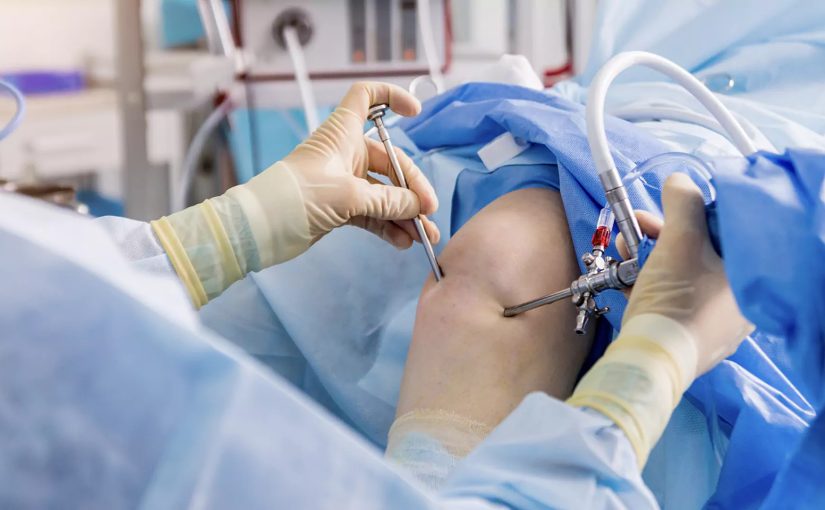
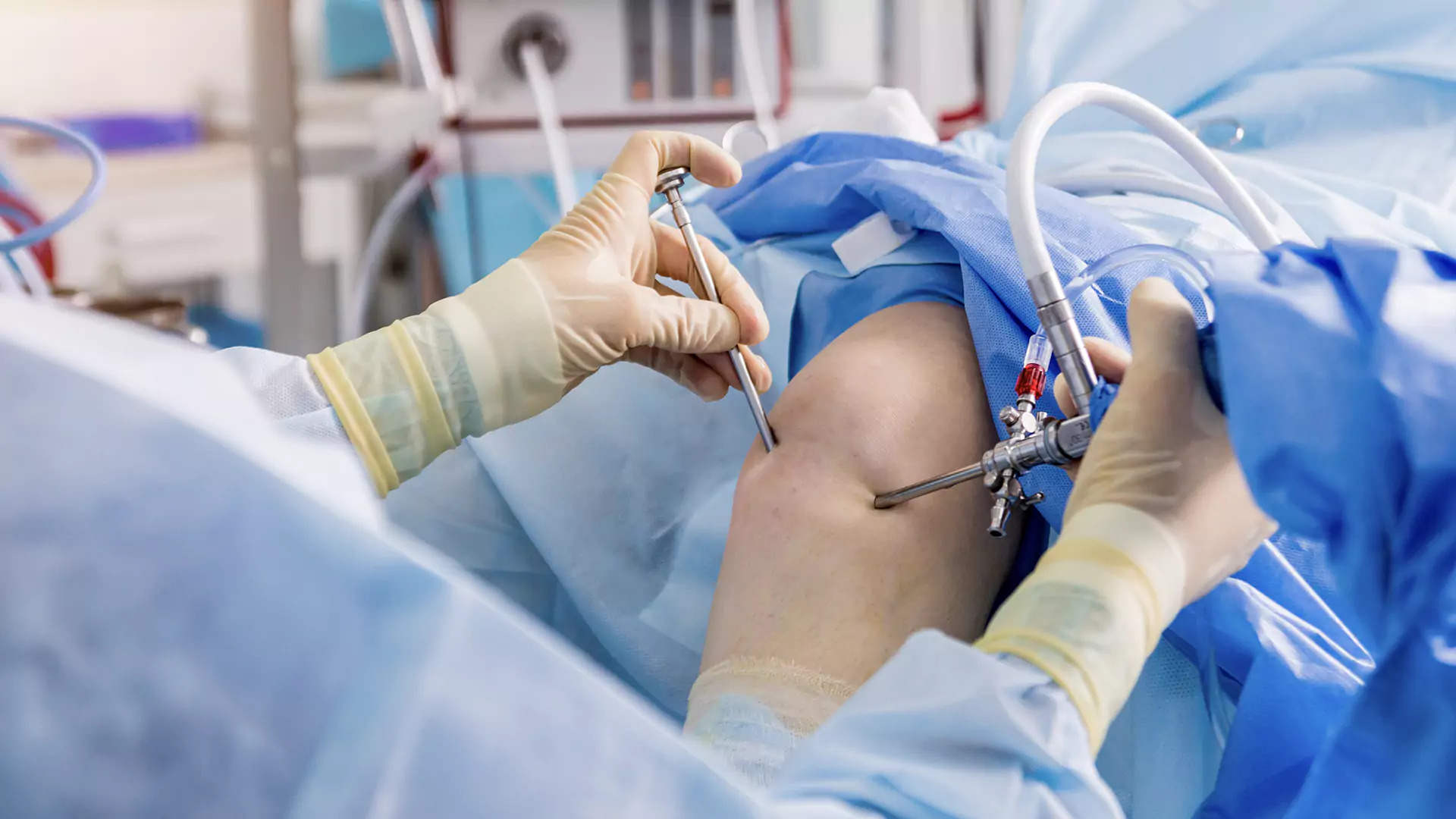
Arthroscopy is a minimally invasive procedure used to examine, diagnose, and treat certain problems inside a joint. During the procedure, the surgeon uses a small camera called an arthroscope, which is inserted through a small incision. Additional small instruments may be used to perform the required treatment.
Arthroscopy is commonly used for joints such as the knee, shoulder, ankle, and wrist. It may help diagnose or treat conditions involving damaged cartilage, ligaments, tendons, or other structures within the joint.
However, arthroscopy is not the right treatment for every type of joint pain. The underlying cause of the problem must be identified before deciding whether the procedure is suitable.
Understand the Cause of Your Joint Pain
Joint pain can occur for many reasons, including:
- Ligament injuries
- Meniscus tears
- Cartilage damage
- Sports injuries
- Joint inflammation
- Certain mechanical joint problems
- Arthritis-related changes
Before choosing arthroscopic treatment, your doctor may perform a physical examination and recommend tests such as X-rays or MRI scans. These evaluations help identify the source of pain and determine whether arthroscopy could be beneficial.
A clear diagnosis is essential because treating the symptoms without understanding the underlying problem may not provide the desired long-term results.
Know When Arthroscopy May Be Recommended
Arthroscopy may be considered when a patient has a specific joint problem that can be evaluated or treated through this technique. For example, certain tears, loose fragments, or mechanical issues within a joint may be suitable for arthroscopic management.
The decision depends on several factors, including:
- The type and location of the joint problem
- Severity of symptoms
- Previous treatments
- Age and activity level
- Overall joint health
- Expected benefits and possible risks
Your surgeon should explain why arthroscopy is being recommended and whether non-surgical options are still appropriate.
Ask About Non-Surgical Treatment Options First
Surgery is not always the first step in managing joint pain. Depending on the condition, treatment may initially include physiotherapy, activity modification, medications, weight management, or injections.
Before choosing arthroscopy, ask whether these options have been adequately considered. In some cases, conservative treatment may provide sufficient relief without surgery.
If surgery is recommended, understanding why it is necessary and what specific problem it is expected to address can help you make a confident decision.
Learn About the Expected Benefits
Arthroscopic procedures generally use smaller incisions than traditional open surgery. Depending on the condition and procedure, potential benefits may include less disruption to surrounding tissues and a shorter recovery period.
However, results vary from person to person. The expected benefit depends greatly on the condition being treated, the extent of joint damage, and the patient’s commitment to rehabilitation.
It is important to ask what improvements you can realistically expect in terms of pain, mobility, and daily function.
Understand the Risks and Limitations
Like any surgical procedure, arthroscopy has potential risks. These may include infection, bleeding, blood clots, swelling, stiffness, or continued symptoms.
There are also limitations to what arthroscopy can achieve. For example, if a joint has advanced degenerative changes, treating one specific structure may not resolve all symptoms.
A responsible orthopedic specialist will discuss both the potential benefits and limitations before recommending treatment.
Consider the Surgeon’s Experience and Approach
Choosing the right specialist is an important part of your treatment journey. You should look for appropriate qualifications, relevant experience, clear communication, and a treatment approach based on your individual condition.
Dr. Priyank Gupta focuses on careful evaluation and personalized orthopedic treatment planning. Rather than recommending the same approach for every patient, he considers the cause of joint pain, the extent of damage, lifestyle needs, and treatment goals before discussing suitable options. This helps patients better understand whether arthroscopic treatment or another approach may be appropriate for their condition.
Know What Recovery May Involve
Recovery after arthroscopy varies according to the joint treated and the procedure performed. Some patients may return to light activities relatively soon, while others may require a longer rehabilitation period.
Recovery can involve:
- Rest and pain management
- Wound care
- Gradual return to movement
- Physiotherapy and strengthening exercises
- Follow-up consultations
Following your surgeon’s rehabilitation advice is important for restoring strength, movement, and joint function.
Ask the Right Questions Before Deciding
Before scheduling arthroscopic treatment, consider asking:
- What is causing my joint pain?
- Why is arthroscopy recommended for my condition?
- Are there effective non-surgical alternatives?
- What will be treated during the procedure?
- What results can I realistically expect?
- What are the possible risks?
- How long will my recovery take?
- Will I need physiotherapy after the procedure?
Clear answers to these questions can help you understand your treatment plan and set realistic expectations.
Conclusion
Arthroscopic treatment can be a valuable option for selected joint conditions, but the decision should always be based on an accurate diagnosis and a thorough evaluation. Understanding the cause of your pain, exploring non-surgical treatments, discussing benefits and risks, and knowing what recovery involves are important before moving forward.
If you are experiencing persistent joint problems and searching for the Best Arthroscopy Doctor in Udaipur, consult an experienced orthopedic specialist who can evaluate your condition and recommend the most appropriate treatment based on your individual needs.