



• +91- 9313944414
  • Can I Run Again? 5 New Rules of High-Impact Sports After Knee Replacement

    knee replacement

    However, over the years, a very consistent and demoralizing speech used to be made by orthopedic surgeons after TKR procedures. Patients were offered an extensive list of allowable physical activities that included walking at a moderate pace, exercise bike use, swimming and possibly even golfing. All high-impact sports including running, tennis, skiing, and playing basketball were prohibited. The traditional worry was that such vigorous activity would cause the loosening of the cement and degradation of the plastic lining which inevitably would require undergoing yet another, highly unpleasant, surgical procedure.The world is different today. Now there is a new generation of adults who undergo knee replacements in their 50’s or even earlier and are determined not to spend their retirement inactivity. Visit the best knee replacement surgeon in Lucknow

    Luckily, the medical world is changing its mind. Thanks to advancements in materials and surgery, the “never run again” policy is being changed for good.

    New Rules of Hhigh-impact Sports Post-Knee Replacement

    Rule 1: It All Starts with the Material (The Rise of Cementless Implants) 

    The way a classic knee prosthesis is fixed to the bone involves the use of a bone cement that is specifically developed for medical purposes. Even though the cement is very hard at first, it can slowly become damaged due to the constant repetitive impacts on it, similar to how a road slowly becomes cracked under pressure of heavy traffic. The real breakthrough for the current runners is the development of the cementless, 3D printed prosthesis. Rather than being glued to the bone, these prostheses have a very porous and textured surface that resembles natural bones. When inserted, living bones start growing inside the metal within several months; this process is known as biologic fixation. As a result, the prosthesis becomes permanently fixed by living tissue, making it almost impossible for the prosthesis to be shaken off due to the high-impact load. Furthermore, the current joint inserts are made of very durable highly cross-linked polyethylene, which is usually supplemented with Vitamin E. 

    Rule 2: Precision Engineering Over “Eyeballing It” 

    An advanced implant will be a failure in the first place if implanted in an inaccurate alignment position. Just even a small deviation of one or two millimeters in the alignment procedure of the implant can affect the distribution of the load of your knee joint, and you’ll experience uneven wear and tear of your joint once you do running exercise. That is why robotic-assisted surgery and digital navigation have made a huge impact in this field. Doctors now apply real-time 3D model mapping during the procedure that allows perfect balancing of your ligaments and positioning of the implant in sub-millimeter accuracy. 

    Rule 3: Trade Asphalt for Nature (Mind the Surface) 

    If your doctor allows you to resume running or other high-impact sports, the laws of engagement say that you need to use your head when deciding where to play. Your biological knee had a meniscus—a perfect shock absorber that was filled with fluid. Your artificial knee is made of metal and plastic; it does not absorb the shock; it transmits it.If you’re going to run, forget concrete sidewalks and asphalt paths. The constant bombardment from such hard surfaces will take their toll on both your prosthetic knee and the joints above it (your hips and lower back). Instead, consider playing on: Well-groomed dirt or gravel pathsGrassy athletic fields or tracks (artificial tracks have superb give)An anti-gravity or underwater treadmill for low-impact cardio trainingWhen it comes to court sports, if you are an avid tennis player, switch to clay or grass courts, which absorb part of the shock before it hits your legs. 

    Rule 4: The 80/20 Low-Impact Hybrid Strategy 

    Even when using 3D-printed joints and robotic alignment, treating your artificial knee as a 20-year-old natural joint will definitely cause you more harm than good. The most intelligent athletes playing impact sports after TKR adopt a mixed approach. Instead of running on a daily basis, five times per week, consolidate your high-impact workouts on just one or two days per week. On the remaining days of the week, you can do high-intensity low-impact cardio exercises such as rowing, using the elliptical machine, or even cycling outside. This will allow you to retain the psychological benefits and aerobic capacity of running without subjecting your artificial joint to additional millions of high-impact repetitions each year. 

    Rule 5: Quad and Glute Strength are Non-Negotiable 

    Running does not make you fit but you need to be fit in order to run. That rule applies twice after having undergone a knee replacement operation. When you have weak quads, hamstrings, and glutes then the whole force exerted by your foot on hitting the ground is going to transmit through your artificial joint. The muscles should serve as your main braking system. You will need to follow a dedicated life-long regimen of training for the strength of your legs and doing leg presses and step-ups. Your artificial knee will just glide through its grooves because of your iron-strong muscles. 

    Conclusion 

    Is it possible to resume running after a knee surgery? Yes, many people in the contemporary world are able to do that. But one should bear in mind that it is not something easy to do. One needs to have good implants, a very skilled surgeon, proper rehabilitation program and common sense concerning surfaces and distance.

    One should always consult with the best knee replacement surgeon in Lucknow before resuming high-impact sports since bone density, weight and type of implants used matter a lot.
    What to Know Before Choosing Arthroscopic Treatment for Joint Pain

    arthroscopy

    Joint pain can affect mobility, work, exercise, and everyday comfort. When rest, medications, physiotherapy, and other conservative treatments do not provide sufficient relief, doctors may recommend further evaluation and, in selected cases, arthroscopic treatment. If you are looking for the Best Joint Replacement Surgeon in Ahmedabad, understanding the available treatment options and when arthroscopy may be appropriate can help you make a more informed decision.

    What Is Arthroscopic Treatment?

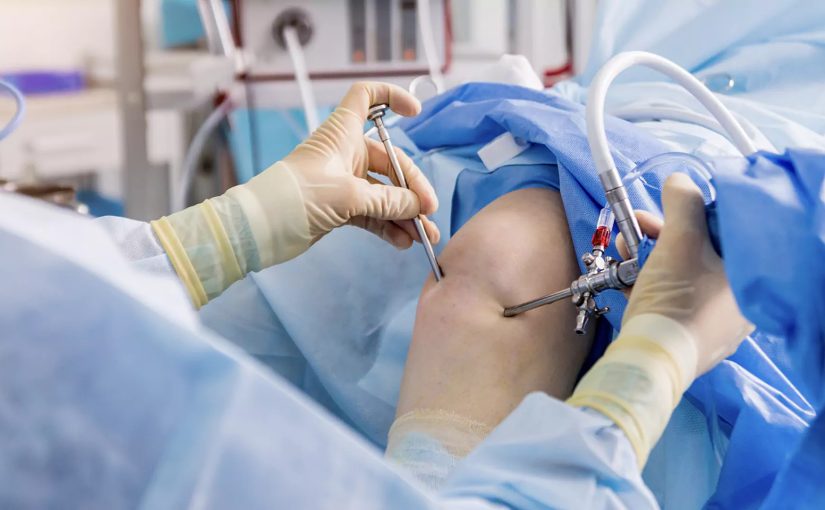
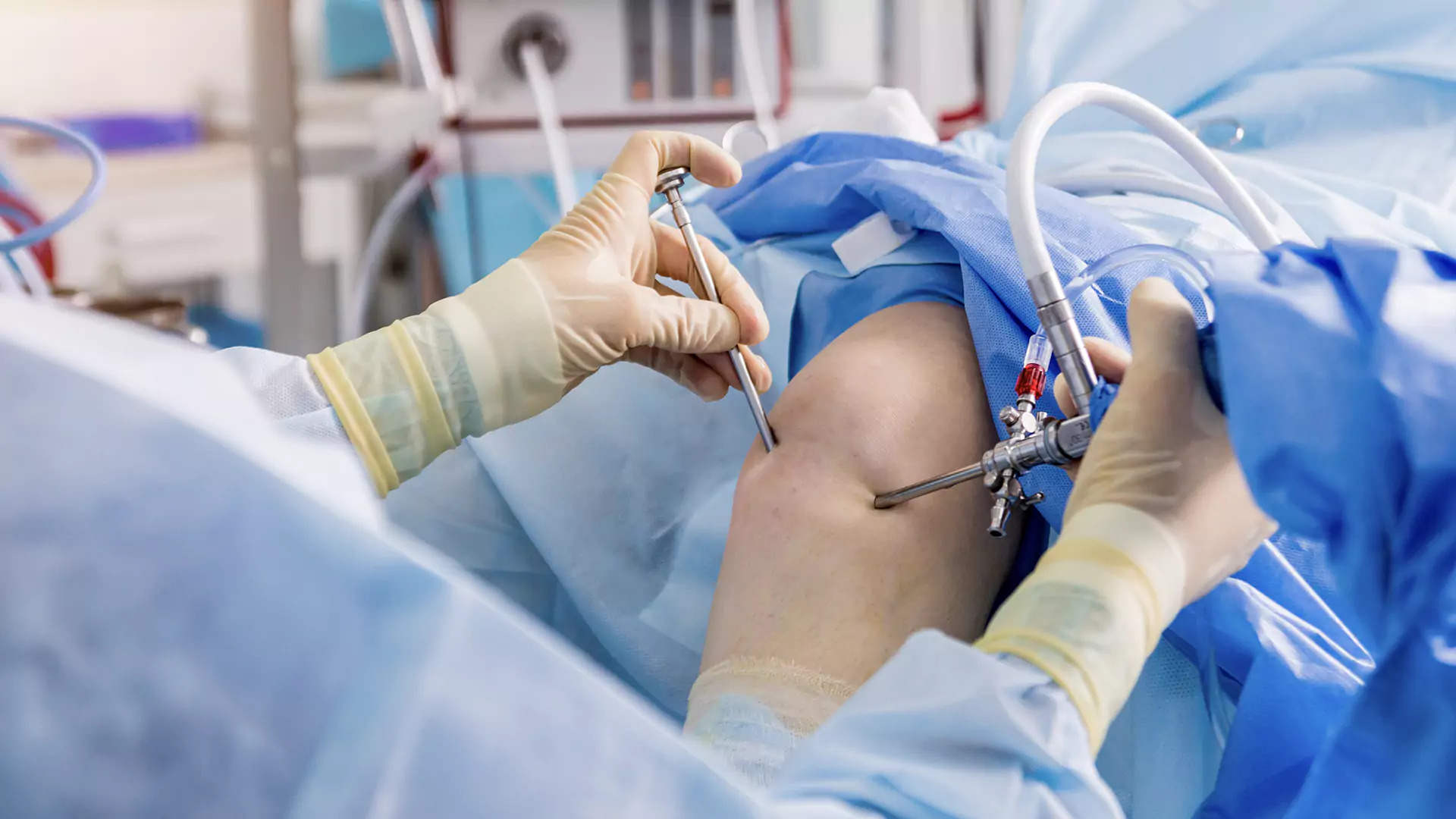
    Arthroscopy is a minimally invasive procedure used to examine, diagnose, and treat certain problems inside a joint. During the procedure, the surgeon uses a small camera called an arthroscope, which is inserted through a small incision. Additional small instruments may be used to perform the required treatment.

    Arthroscopy is commonly used for joints such as the knee, shoulder, ankle, and wrist. It may help diagnose or treat conditions involving damaged cartilage, ligaments, tendons, or other structures within the joint.

    However, arthroscopy is not the right treatment for every type of joint pain. The underlying cause of the problem must be identified before deciding whether the procedure is suitable.

    Understand the Cause of Your Joint Pain

    Joint pain can occur for many reasons, including:

    • Ligament injuries
    • Meniscus tears
    • Cartilage damage
    • Sports injuries
    • Joint inflammation
    • Certain mechanical joint problems
    • Arthritis-related changes

    Before choosing arthroscopic treatment, your doctor may perform a physical examination and recommend tests such as X-rays or MRI scans. These evaluations help identify the source of pain and determine whether arthroscopy could be beneficial.

    A clear diagnosis is essential because treating the symptoms without understanding the underlying problem may not provide the desired long-term results.

    Know When Arthroscopy May Be Recommended

    Arthroscopy may be considered when a patient has a specific joint problem that can be evaluated or treated through this technique. For example, certain tears, loose fragments, or mechanical issues within a joint may be suitable for arthroscopic management.

    The decision depends on several factors, including:

    • The type and location of the joint problem
    • Severity of symptoms
    • Previous treatments
    • Age and activity level
    • Overall joint health
    • Expected benefits and possible risks

    Your surgeon should explain why arthroscopy is being recommended and whether non-surgical options are still appropriate.

    Ask About Non-Surgical Treatment Options First

    Surgery is not always the first step in managing joint pain. Depending on the condition, treatment may initially include physiotherapy, activity modification, medications, weight management, or injections.

    Before choosing arthroscopy, ask whether these options have been adequately considered. In some cases, conservative treatment may provide sufficient relief without surgery.

    If surgery is recommended, understanding why it is necessary and what specific problem it is expected to address can help you make a confident decision.

    Learn About the Expected Benefits

    Arthroscopic procedures generally use smaller incisions than traditional open surgery. Depending on the condition and procedure, potential benefits may include less disruption to surrounding tissues and a shorter recovery period.

    However, results vary from person to person. The expected benefit depends greatly on the condition being treated, the extent of joint damage, and the patient’s commitment to rehabilitation.

    It is important to ask what improvements you can realistically expect in terms of pain, mobility, and daily function.

    Understand the Risks and Limitations

    Like any surgical procedure, arthroscopy has potential risks. These may include infection, bleeding, blood clots, swelling, stiffness, or continued symptoms.

    There are also limitations to what arthroscopy can achieve. For example, if a joint has advanced degenerative changes, treating one specific structure may not resolve all symptoms.

    A responsible orthopedic specialist will discuss both the potential benefits and limitations before recommending treatment.

    Consider the Surgeon’s Experience and Approach

    Choosing the right specialist is an important part of your treatment journey. You should look for appropriate qualifications, relevant experience, clear communication, and a treatment approach based on your individual condition.

    Dr. Priyank Gupta focuses on careful evaluation and personalized orthopedic treatment planning. Rather than recommending the same approach for every patient, he considers the cause of joint pain, the extent of damage, lifestyle needs, and treatment goals before discussing suitable options. This helps patients better understand whether arthroscopic treatment or another approach may be appropriate for their condition.

    Know What Recovery May Involve

    Recovery after arthroscopy varies according to the joint treated and the procedure performed. Some patients may return to light activities relatively soon, while others may require a longer rehabilitation period.

    Recovery can involve:

    • Rest and pain management
    • Wound care
    • Gradual return to movement
    • Physiotherapy and strengthening exercises
    • Follow-up consultations

    Following your surgeon’s rehabilitation advice is important for restoring strength, movement, and joint function.

    Ask the Right Questions Before Deciding

    Before scheduling arthroscopic treatment, consider asking:

    1. What is causing my joint pain?
    2. Why is arthroscopy recommended for my condition?
    3. Are there effective non-surgical alternatives?
    4. What will be treated during the procedure?
    5. What results can I realistically expect?
    6. What are the possible risks?
    7. How long will my recovery take?
    8. Will I need physiotherapy after the procedure?

    Clear answers to these questions can help you understand your treatment plan and set realistic expectations.

    Conclusion

    Arthroscopic treatment can be a valuable option for selected joint conditions, but the decision should always be based on an accurate diagnosis and a thorough evaluation. Understanding the cause of your pain, exploring non-surgical treatments, discussing benefits and risks, and knowing what recovery involves are important before moving forward.

    If you are experiencing persistent joint problems and searching for the Best Arthroscopy Doctor in Udaipur, consult an experienced orthopedic specialist who can evaluate your condition and recommend the most appropriate treatment based on your individual needs.


    How Modern Hip Replacement Improves Recovery and Mobility

    hip replacement

    Hip pain can make even the simplest daily activities challenging. Whether it’s climbing stairs, walking to the market, or getting out of bed, chronic hip discomfort can significantly affect your independence and quality of life. Fortunately, advancements in orthopedic care have transformed hip replacement surgery into a highly effective procedure with faster recovery and better long-term outcomes. If you’re searching for the Best Hip Replacement Surgeon in Ahmedabad, understanding how modern techniques improve recovery and mobility can help you make an informed decision.

    What Is Hip Replacement Surgery?

    Hip replacement surgery is a procedure in which damaged portions of the hip joint are replaced with artificial implants. It is commonly recommended for patients suffering from severe osteoarthritis, rheumatoid arthritis, hip fractures, or other conditions that cause persistent pain and stiffness.

    The primary goal of surgery is to relieve pain, restore joint function, and help patients return to an active lifestyle.

    How Modern Hip Replacement Has Changed Patient Outcomes

    Orthopedic technology has advanced significantly over the last decade. Modern surgical techniques focus on minimizing tissue damage while maximizing joint function, allowing patients to recover more comfortably and efficiently.

    1. Minimally Invasive Surgical Techniques

    Today’s hip replacement procedures often involve smaller incisions compared to traditional methods. These techniques help reduce muscle damage, blood loss, and post-operative discomfort.

    Benefits include:

    • Smaller surgical scars
    • Reduced pain after surgery
    • Lower risk of complications
    • Faster healing

    2. Improved Implant Technology

    Modern hip implants are designed using durable materials such as ceramic, titanium, and advanced polyethylene. These implants are built to withstand daily activities while providing smooth joint movement.

    Many modern implants can last 20 years or longer when combined with proper care and a healthy lifestyle.

    3. Faster Recovery Programs

    Enhanced recovery protocols have revolutionized patient care. Instead of prolonged hospital stays, many patients begin standing and walking within a day after surgery.

    These recovery programs include:

    • Early mobilization
    • Better pain management
    • Personalized rehabilitation plans
    • Nutritional guidance
    • Regular follow-up care

    4. Better Pain Management

    Modern anesthesia techniques and multimodal pain management strategies significantly reduce discomfort after surgery.

    Patients often require fewer pain medications and are able to participate in rehabilitation exercises much sooner.

    5. Improved Joint Stability

    Advanced implant designs provide better stability and a more natural range of motion. This reduces the risk of dislocation while helping patients regain confidence during movement.

    As recovery progresses, patients often notice smoother walking and greater ease in performing everyday activities.

    How Hip Replacement Improves Mobility

    One of the biggest advantages of modern hip replacement surgery is the dramatic improvement in mobility.

    Patients often experience:

    • Easier walking
    • Improved balance
    • Better flexibility
    • Reduced stiffness
    • Ability to climb stairs comfortably
    • Increased participation in recreational activities

    Many people who struggled with constant pain before surgery are able to enjoy a much more active lifestyle afterward.

    The Importance of Rehabilitation

    Although surgery plays a major role, rehabilitation is equally important for achieving the best results.

    Physical therapy helps patients:

    • Strengthen surrounding muscles
    • Improve balance
    • Restore flexibility
    • Learn safe movement techniques
    • Regain confidence during daily activities

    Following the prescribed rehabilitation program can significantly improve long-term outcomes.

    Who Can Benefit from Hip Replacement?

    Hip replacement may be recommended for individuals who experience:

    • Severe hip arthritis
    • Persistent hip pain despite medication
    • Difficulty walking
    • Joint stiffness
    • Reduced quality of life
    • Hip damage due to injury or fracture

    A thorough evaluation by an experienced orthopedic specialist helps determine whether surgery is the most appropriate treatment option.

    Choosing the Right Orthopedic Surgeon

    The success of hip replacement surgery depends not only on advanced technology but also on the expertise of the operating surgeon.

    Dr. Priyank Gupta, recognized for his patient-focused approach and expertise in joint replacement procedures, carefully evaluates every patient before recommending surgery. His goal is to help patients achieve lasting pain relief, improved mobility, and a faster return to everyday life through evidence-based treatment and advanced surgical techniques. Patients looking for the Best Hip Replacement Surgeon in Ahmedabad trust Dr. Priyank Gupta for comprehensive care, personalized treatment plans, and a commitment to excellent surgical outcomes.

    Tips for a Smooth Recovery

    After hip replacement surgery, patients can support their recovery by:

    • Following their physiotherapy schedule
    • Taking prescribed medications as directed
    • Maintaining a healthy weight
    • Using assistive devices when needed
    • Avoiding high-impact activities until approved by the surgeon
    • Attending all follow-up appointments

    Consistency during recovery plays a vital role in achieving the best possible results.

    Conclusion

    Modern hip replacement surgery has transformed the lives of countless patients by reducing pain, restoring mobility, and enabling faster recovery than ever before. With minimally invasive techniques, advanced implant technology, and personalized rehabilitation programs, patients can regain independence and enjoy a more active lifestyle.

    If chronic hip pain is affecting your daily life, consulting Dr. Priyank Gupta, a trusted name for those seeking the Best Hip Replacement Surgeon in Ahmedabad, can help you understand your treatment options and begin your journey toward pain-free movement and improved quality of life.

    Frequently Asked Questions

    1. How long does it take to recover after hip replacement surgery?

    Most patients begin walking within 24 hours after surgery, while complete recovery typically takes 3 to 6 months, depending on overall health and rehabilitation.

    2. How long do modern hip implants last?

    Modern hip implants often last 20 years or more with proper care, regular follow-up, and a healthy lifestyle.

    3. Is hip replacement surgery safe?

    Yes. Hip replacement is considered a safe and highly successful procedure when performed by an experienced orthopedic surgeon using modern techniques.

    4. When should I consider hip replacement surgery?

    You should consider surgery if hip pain severely limits your daily activities and conservative treatments such as medications, injections, and physiotherapy no longer provide relief.

    5. Why choose Dr. Priyank Gupta for hip replacement surgery?

    Dr. Priyank Gupta offers advanced joint replacement care, personalized treatment plans, and modern surgical techniques, making him a preferred choice for patients seeking the Best Hip Replacement Surgeon in Ahmedabad.

    Important Questions to Ask Before Scheduling Knee Replacement Surgery

    Knee Replacement

    Knee pain can significantly impact your quality of life, making everyday activities such as walking, climbing stairs, or even standing uncomfortable. When medications, physical therapy, and lifestyle changes no longer provide relief, knee replacement surgery may be recommended. However, before moving forward with the procedure, it is important to have a clear understanding of what to expect.

    Asking the right questions can help you make an informed decision and feel confident about your treatment plan. If you are considering surgery, consulting the Best Knee Replacement Surgeon in Lucknow, Dr. Priyank Gupta, can help you understand your options and determine whether knee replacement is the right choice for you.

    Questions to Ask Before Scheduling Knee Replacement Surgery

    1. Am I a Good Candidate for Knee Replacement Surgery?

    Not everyone with knee pain requires surgery. Ask your surgeon whether your condition truly warrants a knee replacement or if alternative treatments are still available. Factors such as age, activity level, overall health, and the severity of joint damage play a role in determining eligibility.

    2. What Type of Knee Replacement Do I Need?

    There are different types of knee replacement procedures, including:

    • Total Knee Replacement
    • Partial Knee Replacement
    • Revision Knee Replacement

    Understanding which option is best suited for your condition can help set realistic expectations for recovery and outcomes.

    3. What Are the Benefits of the Procedure?

    Ask your surgeon what improvements you can expect after surgery. Most patients experience:

    • Significant pain relief
    • Improved mobility
    • Better joint function
    • Enhanced quality of life

    Discussing expected results can help you understand the potential benefits specific to your case.

    4. What Are the Risks and Possible Complications?

    Every surgical procedure carries some risks. It is important to ask about potential complications such as:

    • Infection
    • Blood clots
    • Implant wear or loosening
    • Nerve or blood vessel injury
    • Persistent pain or stiffness

    A knowledgeable surgeon will explain how these risks are minimized and managed.

    5. How Long Will the Artificial Knee Last?

    Modern knee implants are designed to be durable and can often last 15 to 25 years or longer, depending on lifestyle and activity levels. Understanding implant longevity can help you plan for the future.

    6. What Is the Recovery Timeline?

    Recovery varies from person to person, but it is important to know:

    • How long hospitalization will be required
    • When you can start walking
    • When you can return to work
    • When normal activities can resume

    Having a realistic timeline helps you prepare physically and mentally for the recovery process.

    7. Will I Need Physical Therapy?

    Physical therapy is a crucial part of knee replacement recovery. Ask about:

    • The duration of rehabilitation
    • Exercises you will need to perform
    • Expected milestones during recovery

    A structured rehabilitation plan can significantly improve surgical outcomes.

    8. What Can I Do to Prepare for Surgery?

    Preparation can play a major role in successful recovery. Your surgeon may recommend:

    • Weight management
    • Strengthening exercises
    • Managing chronic health conditions
    • Adjusting medications
    • Preparing your home for recovery

    Following these recommendations can help reduce complications and speed up healing.

    9. What Type of Implant Will Be Used?

    Patients often overlook this question. Understanding the type of implant being used, its material, and its track record can provide additional confidence in your treatment plan.

    10. Why Should I Choose This Surgeon for My Procedure?

    Choosing an experienced surgeon is one of the most important decisions you will make. Ask about:

    • Surgical experience
    • Success rates
    • Number of knee replacement surgeries performed annually
    • Patient outcomes

    Patients seeking the Best Knee Replacement Surgeon in Lucknow often choose Dr. Priyank Gupta because of his expertise in advanced joint replacement procedures and patient-focused care.

    Why Experience Matters in Knee Replacement Surgery

    The success of knee replacement surgery depends heavily on the surgeon’s skill, precision, and experience. An experienced orthopedic specialist can accurately evaluate your condition, recommend the most suitable treatment, and guide you through every stage of the process.

    Dr. Priyank Gupta is recognized for providing comprehensive care, advanced surgical techniques, and personalized treatment plans for patients suffering from severe knee pain and arthritis.

    Final Thoughts

    Scheduling knee replacement surgery is a major decision that should never be rushed. Asking the right questions helps you understand the procedure, manage expectations, and feel more confident about your treatment journey.

    If you are considering knee replacement surgery, consulting Dr. Priyank Gupta, widely regarded as the Best Knee Replacement Surgeon in Lucknow, can provide the expert guidance you need to make an informed choice and regain an active, pain-free lifestyle.

    FAQs

    Q1. How do I know if I need knee replacement surgery?
    If knee pain is severe, limits daily activities, and does not improve with medications or therapy, knee replacement surgery may be recommended.

    Q2. How long does knee replacement surgery take?
    Most knee replacement procedures take between 1 and 2 hours, depending on the complexity of the case.

    Q3. How soon can I walk after knee replacement surgery?
    Many patients begin standing and walking with assistance within 24 hours after surgery.

    Q4. Is knee replacement surgery painful?
    Pain is managed with modern anesthesia and post-operative pain management techniques. Most patients experience significant long-term pain relief.

    Q5. Why choose Dr. Priyank Gupta for knee replacement surgery?
    Dr. Priyank Gupta is known for his expertise, advanced surgical techniques, and commitment to delivering excellent patient outcomes, making him a trusted choice for those seeking the Best Knee Replacement Surgeon in Lucknow.

    5 Warning Signs Your Joint Pain Needs More Than Just Painkillers

    Joint Pain

    Joint pain is kind of a regular issue, it hits people across quite different age groups. Sometimes the ache settles down on its own, or improves a bit with rest, maybe even medication. But when the pain keeps on coming back and stays, it can point toward an underlying joint problem, the kind that really needs proper medical attention. If your joint pain is messing with your day-to-day tasks, it’s wise to meet a skilled expert, like the Best joint replacement surgeon in Ahmedabad, so they can figure out what’s actually going on, and then suggest the right treatment path for you.

    Why Ignoring Joint Pain Can Be Risky?

    A lot of people deal with joint pain using quick fixes like painkillers, sprays, or home remedies. But it’s sort of easy to forget that these things can be more about masking the feeling than actually dealing with what’s going on. Sometimes the “real” issue keeps moving in the background. Things like arthritis, cartilage damage, ligament injuries, or even joint degeneration can creep along and worsen over time if they’re not treated properly.

    Getting an early diagnosis can help stop extra joint damage, and it also improves your odds of staying mobile and keeping an active lifestyle. 

    1. Persistent Pain That Does Not Improve

    One major warning sign is persistent pain that hangs around for weeks or months, even after trying medication or basic treatments.

    If you notice:

    • Constant knee, hip, or shoulder pain
    • Pain even when resting or while sleeping
    • Discomfort that’s slowly getting worse
    • You find yourself reaching for pain medication more often

    then it could mean your joint needs a more advanced evaluation, not just temporary symptom relief. 

    2. Difficulty Performing Everyday Activities

    Joint issues often get obvious once the normal little things start feeling off. Like walking, climbing stairs, getting up from a chair, or just doing those routines, boring movements can suddenly feel hard , or clumsy.  

    This drop in mobility can pull at your independence, and your overall quality of life too. A good orthopedic checkup can help sort out if calmer non-surgical options make sense, or if a step like joint replacement might actually help. 

    3. Swelling, Stiffness, or Reduced Movement

    Swollen joints, morning stiffness, and a smaller range of movement are pretty typical symptoms when a joint is involved. These signs might point toward inflammation, cartilage wear, or some kind of internal joint damage.  

    If you keep brushing these symptoms off for a while, you can end up with even worse stiffness, and less flexibility overall. 

    4. Pain That Affects Sleep

    Joint pain that keeps interrupting your sleep should not be shrugged off. Pain at night is often linked with more advanced joint problems and it can seriously affect your general well-being, not just comfort.  

    When sleep is poor because of discomfort, it can bring tiredness, stress, and less energy during the day. 

    5. Reduced Quality of Life

    When aching joints keep you from fully enjoying the things you like, connecting with people, or even sticking to an active routine, it might be time to ask for professional guidance. These days modern orthopedic care aims to do more than just dull the pain, it also tries to bring back movement and support patients so they can go back to everyday life, basically as close as possible.

    Understanding When Joint Replacement May Be Needed

    Joint replacement surgery is typically considered once conservative methods stop working and the joint shows clear, meaningful damage. In this process, the worn joint surface is swapped with an artificial implant, which helps restore motion and ease pain over time.

    Because surgical techniques have improved so much, many patients now experience smoother recovery, better mobility, and more dependable long-term outcomes if they are good candidates. 

    Expert Joint Care with Dr. Priyank Gupta

    Picking the correct orthopedic specialist is a real factor in how well treatment tends to go. Dr. Priyank Gupta offers expert assessment plus customized treatment plans for individuals dealing with joint issues. With an emphasis on precise diagnosis and modern orthopedic expertise, patients can get clear advice on which care path fits best for their specific situation. 

    Tips to Protect Your Joints

    Keeping your joints healthy may lower the chance of future problems, and yeah it’s not just about “getting older” either. A few doable habits can help, like:

    • Keeping a healthy weight  
    • Staying physically active  
    • Using good posture in everyday tasks  
    • Avoiding unneeded pressure on the joints  
    • Getting medical advice if the pain doesn’t go away 

    If you catch joint concerns early, you can sometimes prevent worse complications, and help your overall mobility stay better for a long time.

    Conclusion

    Joint pain really should not automatically be treated like it’s normal aging. If the discomfort keeps happening, starts influencing how you move, or starts cutting into your daily life, then a professional check can make a big difference. For more advanced joint care, thoughtful guidance, and treatment options that actually work, consulting a Best hip replacement surgeon in Ahmedabad can help people return toward a more active and pain-free lifestyle